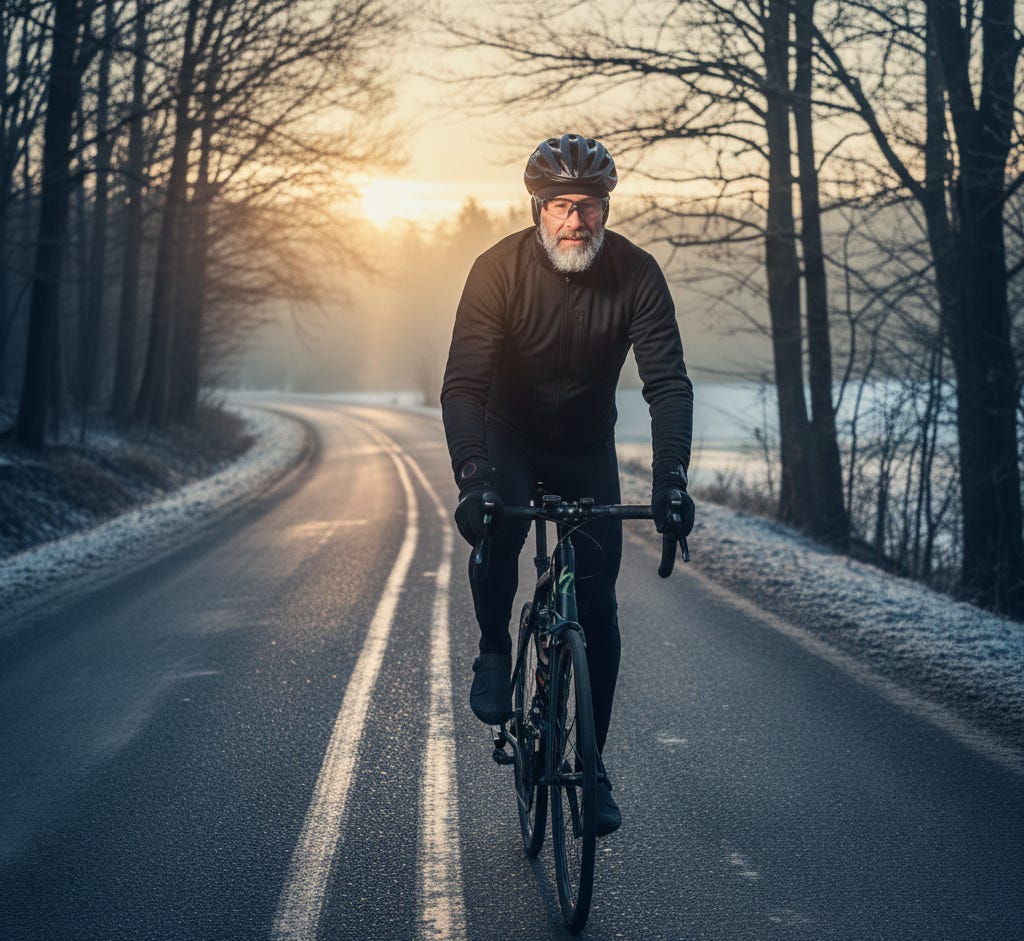
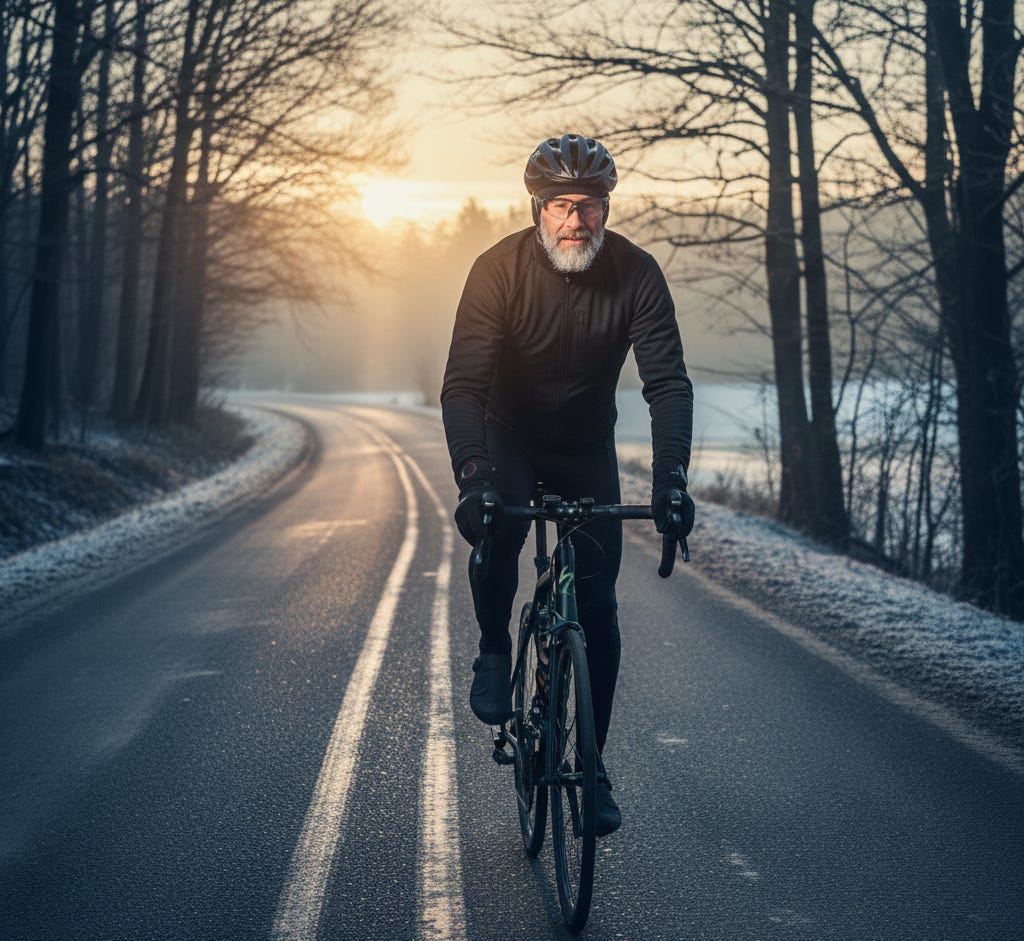
When the temperature drops and the days get shorter, it’s tempting to hang up the helmet and wait for spring. But for those of us who have a few more miles on the odometer (both on our bikes and our bodies), winter isn’t a time to stop—it’s a time to rebuild.
Maintaining fitness during the colder months is crucial for older cyclists. It’s much harder to regain lost cardiovascular health and muscle mass at 50 or 60 than it was at 20. The goal of winter training isn’t necessarily to set a Personal Best on your local climb; it’s about consistency, joint health, and structural strength.
Here are the top strategies to keep you fit and ready for the first warm day of spring.
1. Embrace the “Base” (Low and Slow)
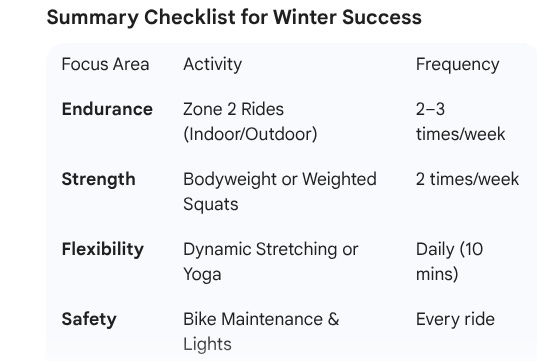
Winter is the season of Base Training. Instead of high-intensity intervals that can stress the heart and joints, focus on Zone 2 training. This means riding at a pace where you can still hold a steady conversation.
The Benefit: It builds mitochondrial density and teaches your body to burn fat more efficiently.
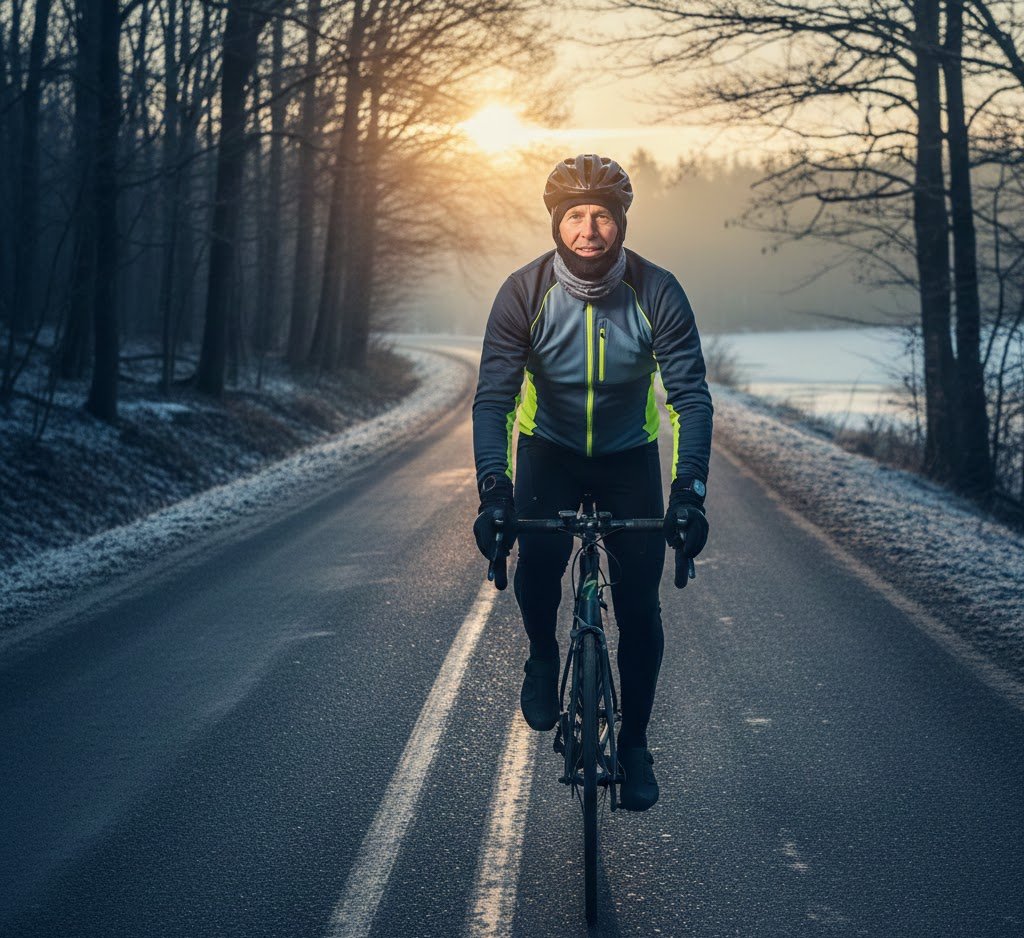
Pro Tip: If you’re riding outdoors, keep your heart rate stable. Cold air can be harder on the lungs, so don’t push into the “red zone.”
2. Prioritize Functional Strength Training
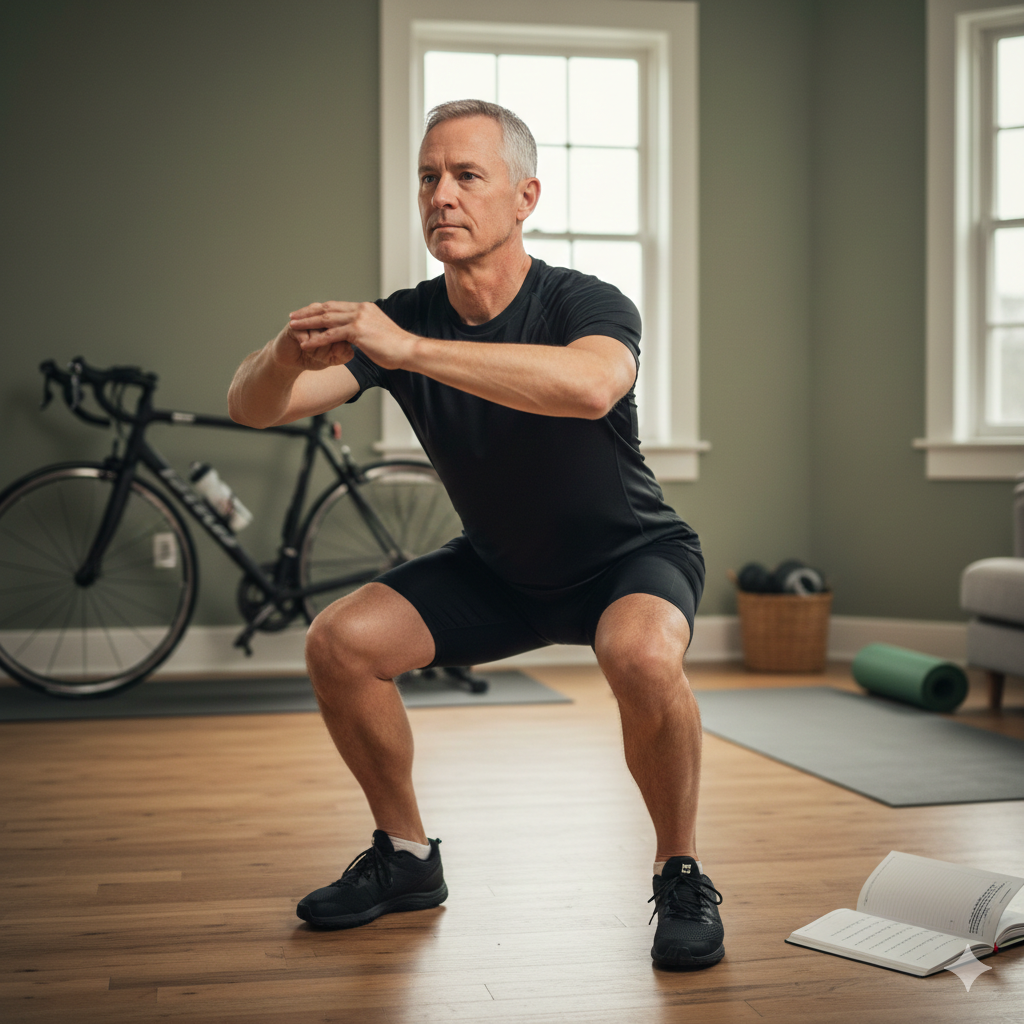
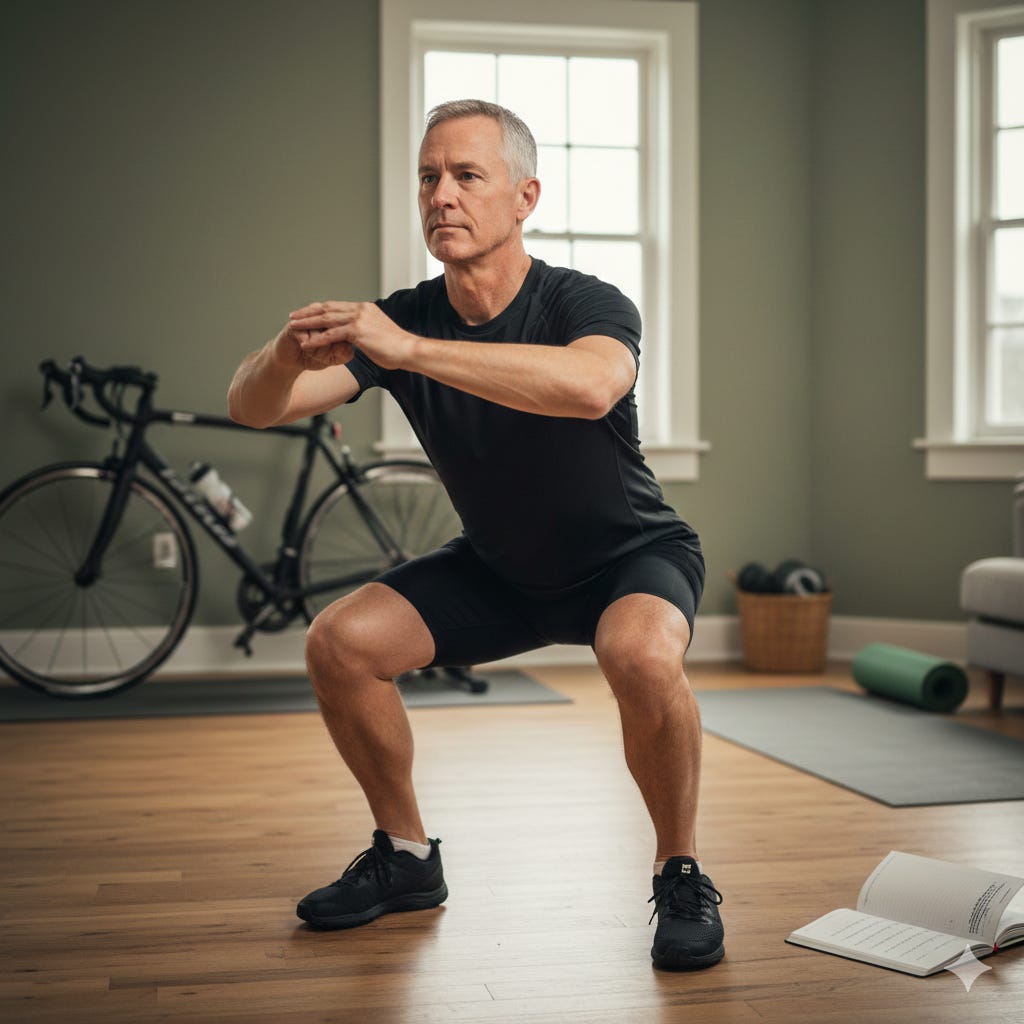
As we age, we naturally lose muscle mass (sarcopenia). Use the winter to hit the gym or your living room floor. Focus on movements that support cycling posture:
Squats and Lunges: For power and knee stability.
Planks: To prevent lower back pain during long rides.
Bird-Dogs: Excellent for spinal alignment and balance.
3. Take it Indoors (Safely)
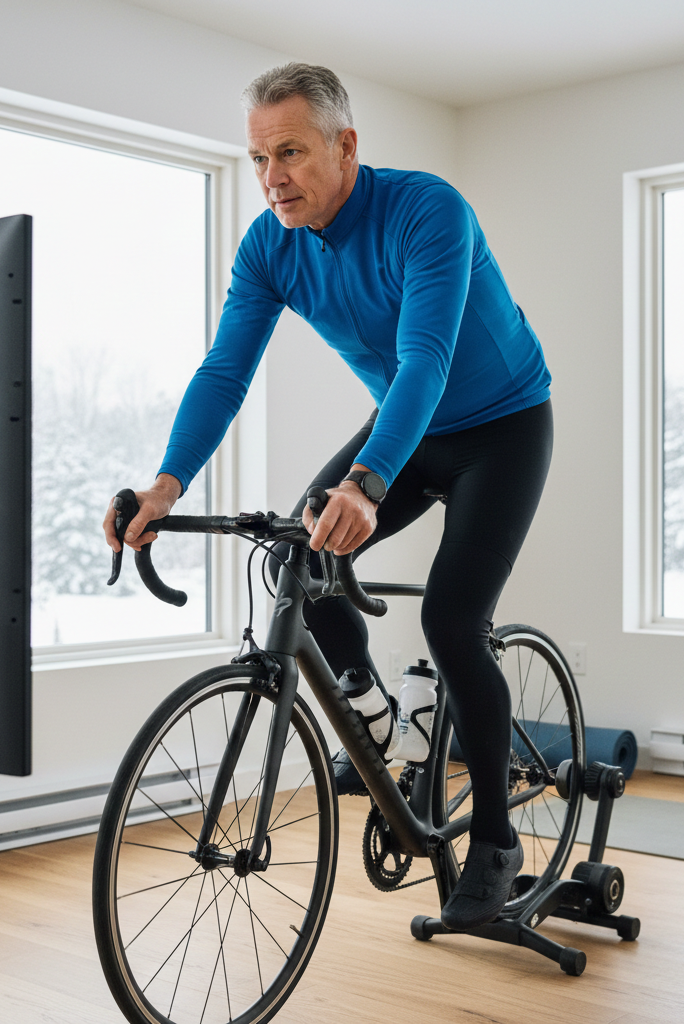
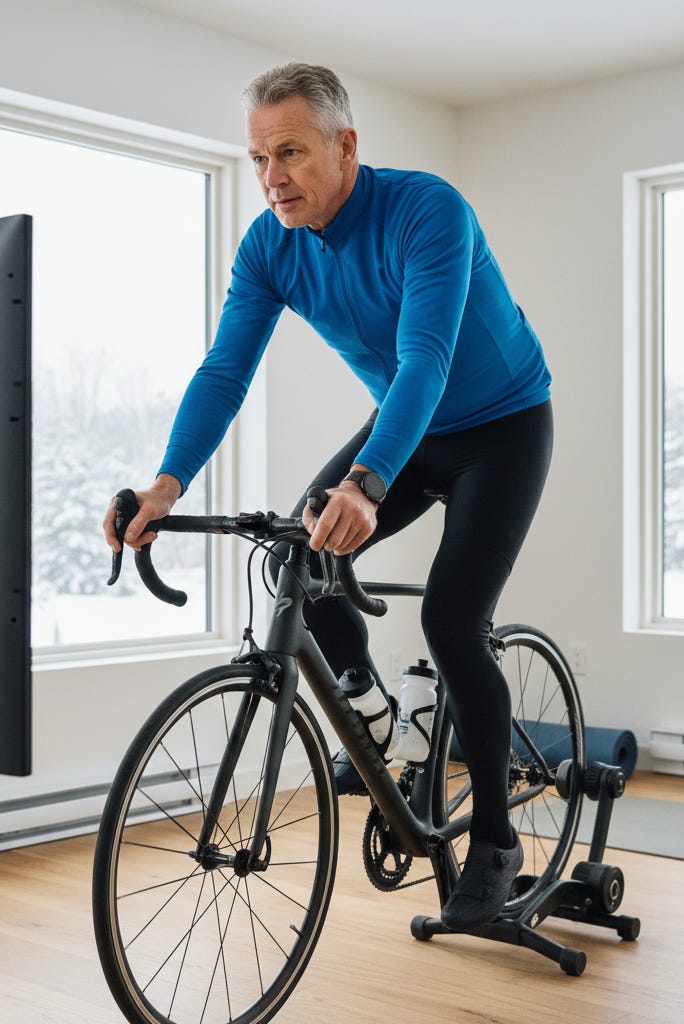
If the ice makes the roads treacherous, don’t risk a fall. Bone density is a concern for veteran riders, and a winter slip can lead to a long recovery.
Smart Trainers: Platforms like Zwift or Rouvy make indoor riding social and engaging.
Yoga for Cyclists: Incorporating a weekly yoga session can improve flexibility in the hips and hamstrings, which often tighten up in cold weather.
4. Optimize Your Recovery and Nutrition
Your metabolism changes in the winter, and your body uses more energy just to stay warm.
Hydration: You might not feel thirsty when it’s 40°F (4°C), but you are still losing fluids. Drink consistently.
Protein Intake: Ensure you are getting enough protein to support the muscle repair from your strength sessions.
The Bottom Line
Winter training for the older cyclist is about longevity. By focusing on a strong core, a steady heart rate, and safe riding conditions, you’ll start the spring season ahead of the pack rather than playing catch-up.
Comment Submitted
Thanks! Your comment is awaiting moderation and will appear shortly.