
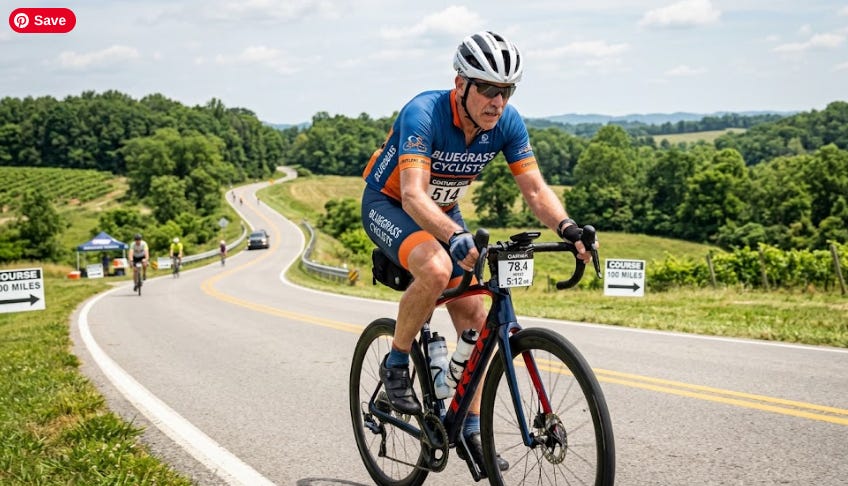
A hundred miles on a bike sounds impossible — until it isn’t. Every year, thousands of everyday cyclists cross that finish line, not because they’re elite athletes, but because they had a plan and stuck to it. If you can comfortably ride 30 to 40 miles right now, you have everything you need to start. This guide will walk you through a 16-week training plan, what to eat, how to pace yourself, and the one thing that separates riders who finish from those who don’t.
Before You Start: What You Actually Need
You don’t need a carbon bike, a power meter, or a coach. You do need three things:
A reliable bike that fits. If your saddle is too high, your reach is too long, or your handlebars are in the wrong position, 100 miles will punish you. Get a basic bike fit or at least have a knowledgeable friend check your position before your training ramps up.
A baseline of fitness. If you can ride 30 to 40 miles at a conversational pace without feeling wrecked the next day, you’re ready to start this plan.
Consistency over intensity. The biggest mistake new cyclists make is training too hard. Most of your miles should feel almost too easy. More on that below.
The 16-Week Structure
Think of your training in four phases of four weeks each.
Weeks 1–4: Base. Your only job here is building aerobic endurance at low intensity. Your long ride starts at 35–40 miles and grows by about 10% each week. Keep your effort in Zone 2 — you should be able to hold a full conversation without gasping. If you’re breathing hard, slow down.
Weeks 5–8: Build. You start adding structure. Introduce one weekly ride with 20–30 minutes of tempo effort — slightly harder than comfortable, but sustainable. Your long ride climbs toward 60–65 miles by the end of this phase.
Weeks 9–12: Peak. This is where the real work happens. Your longest training ride hits 70–75 miles. You’re also reinforcing fueling habits, learning what your body needs every hour on the bike. One ride per week includes harder intervals or a sustained climb if your terrain allows it.
Weeks 13–16: Taper. You’ve done the hard work. Now you let your body absorb it. Volume drops by 30–40%, intensity stays moderate. Your legs will feel fresh and sometimes restless — that’s exactly right. Your century is at the end of Week 16.
Weekly Ride Breakdown
A simple three-ride week works well for most people:
Long ride (weekend): This is your key workout. Pace it easy. Eat on the bike. Treat it like a dress rehearsal for race day.
Mid-week ride (60–90 minutes): Moderate effort. This reinforces your aerobic base between long rides.
Recovery or easy spin (45–60 minutes): Keep this genuinely easy. Its only job is to flush out fatigue without adding stress.
Two full rest days per week are non-negotiable, especially if you’re over 40. Recovery is not laziness — it’s when your body actually gets stronger.
Fueling: Don’t Skip This Section
Bonking — running completely out of energy — is the most common reason people don’t finish a century. It’s almost entirely preventable.
The rule is simple: eat before you’re hungry, drink before you’re thirsty.
Start eating within the first 30 minutes of your ride, and continue taking in 200–250 calories per hour after that. Gels, chews, bars, bananas, peanut butter sandwiches cut into quarters — whatever works for your stomach. Practice this on every long training ride so you know exactly what your body tolerates.
For hydration, aim for one 24 oz. bottle per hour in moderate conditions, more in heat. Add electrolytes, especially sodium, on rides over two hours.
Pacing on Event Day
Here is the single most important piece of advice for your century: start slower than you think you should.
The excitement of race day, the crowds, the fresh legs — everything will push you to go out fast. Resist it. If your comfortable training pace is 14 mph, start at 13. The riders who blow past you in the first 30 miles will often be the ones you pass at mile 70.
Divide the ride mentally into thirds. The first third (miles 1–33) should feel easy, almost boring. The middle third (miles 34–66) is where you settle in and find your rhythm. The final third (miles 67–100) is where your training pays off.
The Mental Game: Miles 70–85
Almost every first-time century rider hits a wall somewhere between miles 70 and 85. Your legs are tired, the finish still feels far, and your brain starts negotiating. This is normal. This is expected. And this is where you just keep pedaling.
Break it into small chunks. Ride to the next rest stop. Ride to the next mile marker. Tell yourself you’ll reassess in 10 minutes. You will almost always keep going.
The riders who finish a century aren’t always the fittest. They’re the ones who refuse to quit when it gets uncomfortable.
A Note for Older Riders
If you’re over 45, your training plan looks the same — but your recovery needs more respect. Add an extra rest day if your legs feel heavy. Sleep is your most powerful recovery tool. Don’t skip rest weeks at the end of each phase. Your body can absolutely do this. It just needs slightly more time to adapt, and that’s perfectly fine.
You’ve Got This
A century ride is one of the most satisfying things you can do on a bike. It’s not about being fast. It’s about being prepared, being smart, and showing up on event day knowing you’ve done the work.
Train consistently. Eat on the bike. Start slow. Keep pedaling when it gets hard.
Hundred miles is waiting for you.
weeecycle is a mobile bike repair and content brand built for beginner and returning cyclists. Subscribe for training tips, maintenance guides, and real-world riding advice.
Comment Submitted
Thanks! Your comment is awaiting moderation and will appear shortly.